


Hydrogen Annealing for the Future of Steel Wire
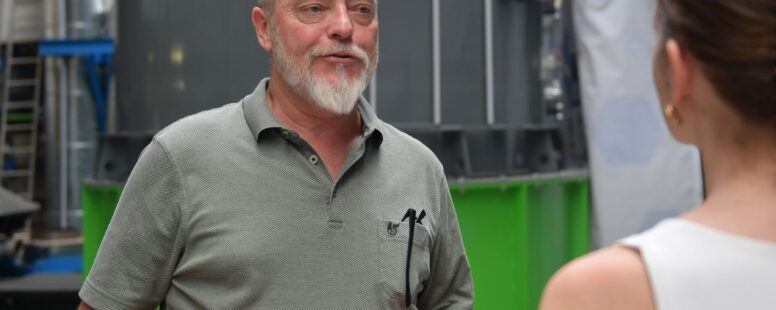
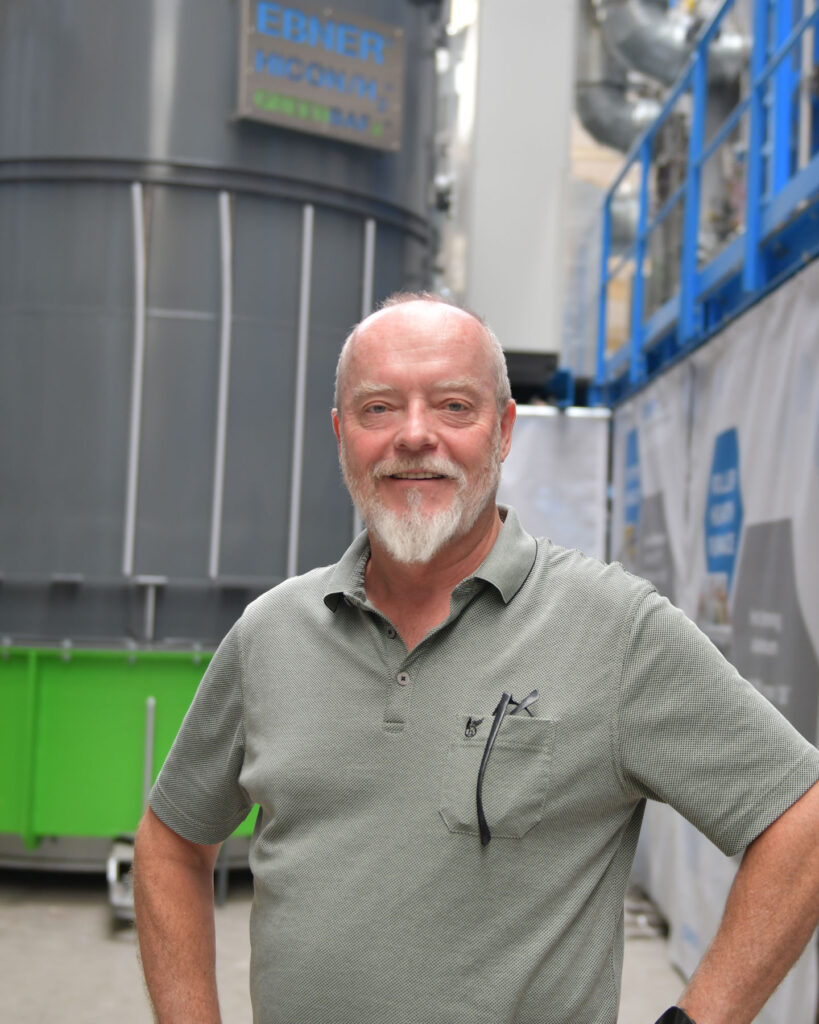
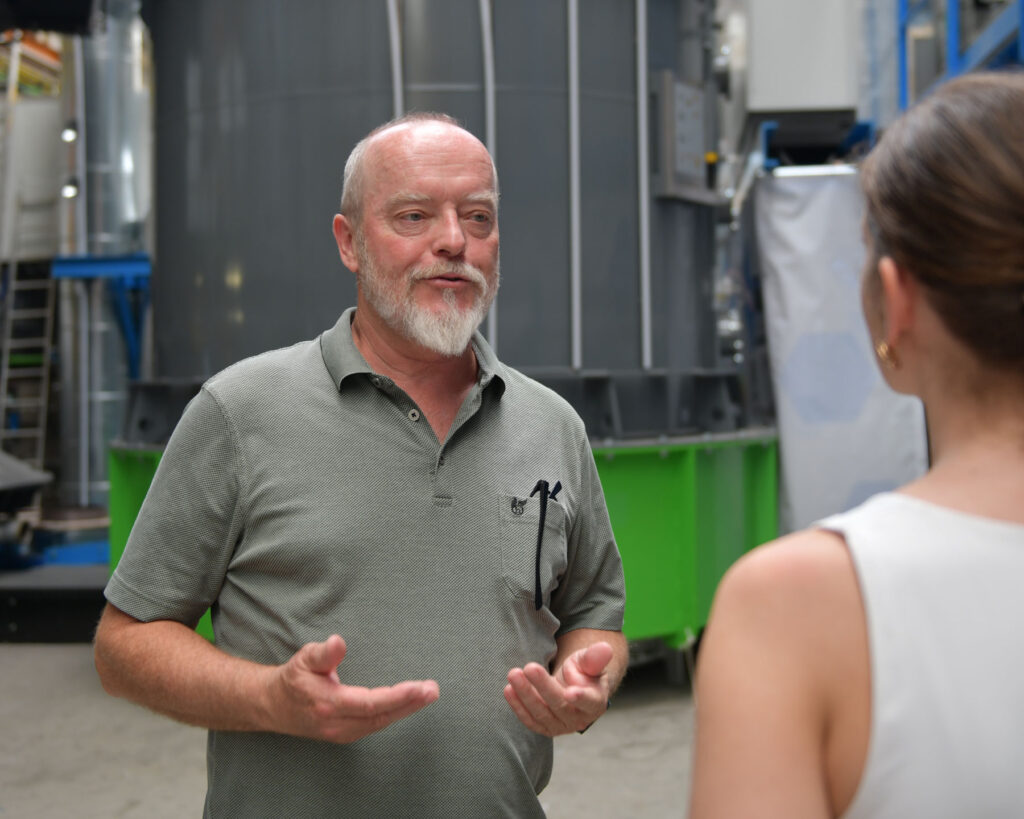
EBNER Industrieofenbau | Peter Seemann, Senior Principal Technology Expert
Hydrogen Annealing for the Future of Steel Wire
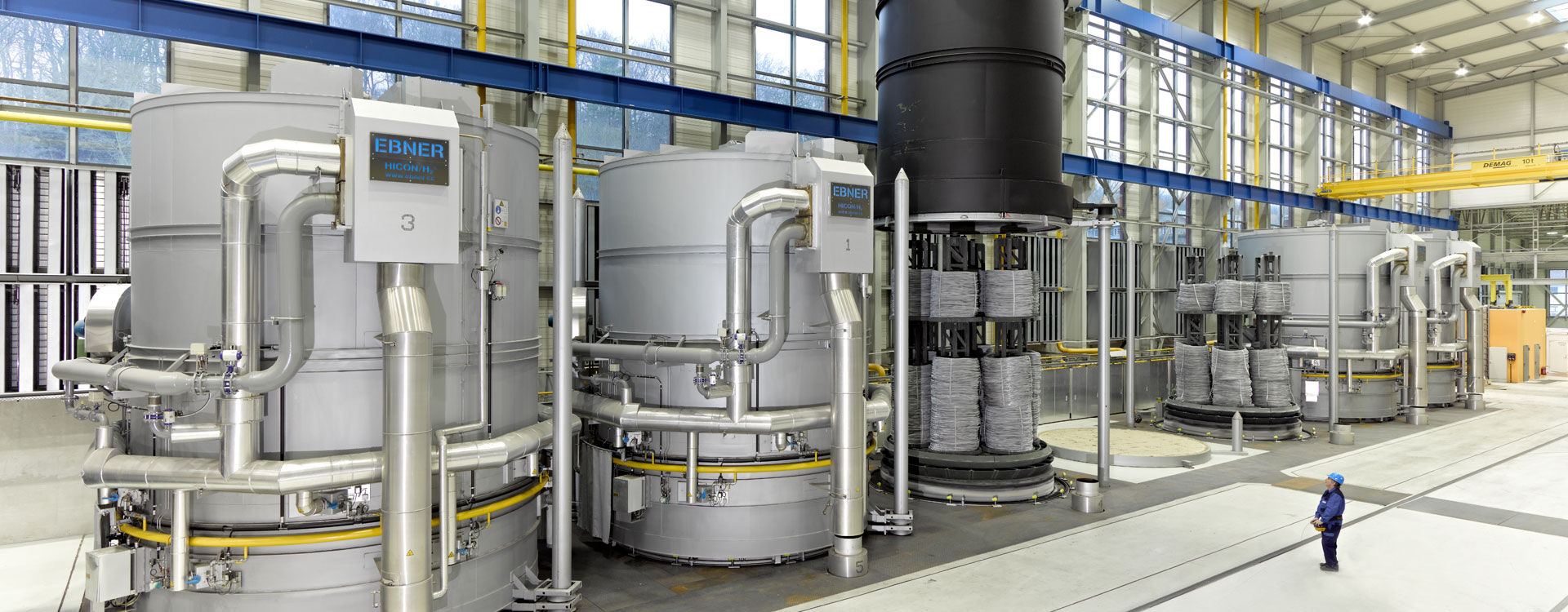
At wire Düsseldorf, EBNER presented the latest developments of its HICON/H₂® Bell Annealer for the steel wire industry. In this interview, we spoke with Peter Seemann, Senior Principal Technology Expert, about the market drivers behind the technology, the practical benefits of hydrogen atmospheres and the innovations that help wire producers achieve higher efficiency, lower emissions and consistently high product quality.
At wire Düsseldorf, you presented the latest developments of the HICON/H₂® Bell Annealer. Why is this technology especially relevant for the steel wire industry right now?
With the latest developments in the EBNER HICON/H₂® Bell Annealer, we are addressing three key priorities that currently shape investment decisions across the steel wire industry: energy savings, higher efficiency and lower emissions. These are among the most pressing issues for wire producers today, both from an economic and environmental perspective.
What market demands or customer challenges have been the main drivers behind the latest innovations in EBNER’s hydrogen bell annealing technology?
The main drivers are the need to reduce the carbon footprint for climate protection reasons and the growing need for flexibility in fuel and energy usage. With its latest innovations, EBNER is responding to exactly these requirements by combining sustainable operation with high process reliability and economic efficiency.
Pure hydrogen atmospheres are a defining feature of HICON/H₂®. What advantages do they offer in terms of surface quality and material properties?
Backed by EBNER’s decades of experience in hydrogen annealing and proven safety concepts, customers can fully benefit from the unique properties of hydrogen. As a low-density gas, hydrogen enables high convection with lower electrical energy consumption. In addition, it chemically removes drawing lubricants from the material and provides strong reducing potential, which supports excellent surface quality and consistent material properties.
For wire producers, temperature uniformity and decarb-free surfaces are essential. How does HICON/H₂® improve on previous solutions in this respect?
EBNER’s fully sealed HICON/H₂® system design, without external heat exchangers, ensures a highly reproducible furnace atmosphere with very low dew points. This creates stable process conditions throughout the annealing cycle and helps achieve excellent temperature uniformity as well as decarb-free surfaces.
Spheroidizing and recrystallizing processes place particularly high demands on annealing technology. What innovations help ensure consistent results throughout the entire charge?
Consistent results throughout the entire charge are achieved through the interaction of EBNER’s precise atmosphere control, optimized gas circulation and highly uniform temperature distribution. These factors are especially important for demanding spheroidizing and recrystallizing processes, where even small deviations can affect microstructure and downstream performance.
Your presentation also highlighted lightweight workbases and corrugated inner covers. How do these design details benefit customers in day-to-day operation?
These design features reduce the tare weight that must be heated up and cooled down during each cycle, which improves overall energy efficiency. At the same time, the corrugated design provides high mechanical stiffness and contributes to a long service life in daily operation. For customers, this means lower energy demand combined with durable, robust equipment.
Flameless burners and smart gas management may seem like technical details at first glance. What measurable effect do they have on emissions, efficiency, and operational safety?
In the EBNER HICON/H₂® concept, these features have a direct and measurable impact. Flameless burners help reduce emissions significantly, while smart gas management improves fuel utilization and overall process efficiency. At the same time, both contribute to stable and safe operation by ensuring controlled and optimized combustion conditions.
Which of the recent innovations has generated the strongest customer response so far, and why?
Without a doubt, the strongest feedback so far has been for EBNER’s software module ATMOSPHEREperfect. Customers particularly value its savings potential, with hydrogen savings of up to 25% and electricity savings of up to 30%, while at the same time maintaining highly stable process conditions.
You mentioned energy savings of up to 30%. How is this achieved in practical operation?
In practice, EBNER achieves this through intelligent process control and the targeted use of digital optimization tools. The system monitors the electrical current required to drive the circulation fan inside the furnace. A higher current indicates that more evaporated lubricants are contaminating the atmosphere. Based on this, the system automatically purges only when necessary and always to the optimum level. This minimizes gas consumption and reduces electricity demand, since a lighter and cleaner atmosphere lowers the energy needed for circulation.
Would you describe hydrogen-based heat treatment as a long-term sustainability solution for the wire industry as a whole, or does it depend on the specific application?
This needs to be differentiated. Unpickled wire rod is typically annealed under nitrogen, because otherwise the reduction of scale can lead to decarburization. For most other applications, however, hydrogen is certainly an optimal atmosphere, and EBNER sees clear benefits in terms of process performance, surface quality, and sustainability.
How does a more homogeneous microstructure affect downstream processing and the final quality of the wire product?
Wire coils are ultimately very long products, so microstructural homogeneity is essential. A more homogeneous microstructure enables trouble-free drawing without wire breakage and leads to more consistent final product quality over the entire length of the wire. This is one of the key reasons why EBNER places such strong emphasis on uniform process conditions throughout the complete charge.
Which trends in the global wire and wire rod market do you believe will shape the next generation of annealing technology?
One interesting growth area is urban transport applications such as gondolas and ropeway systems. The ropes used in these systems are highly safety-critical products and therefore require extremely high and reliable quality standards. Furthermore, we will focus on cables and wire applications in the growing field of datacenters. For EBNER, this means that future annealing technologies must continue to deliver maximum process stability, reproducibility and material consistency.